
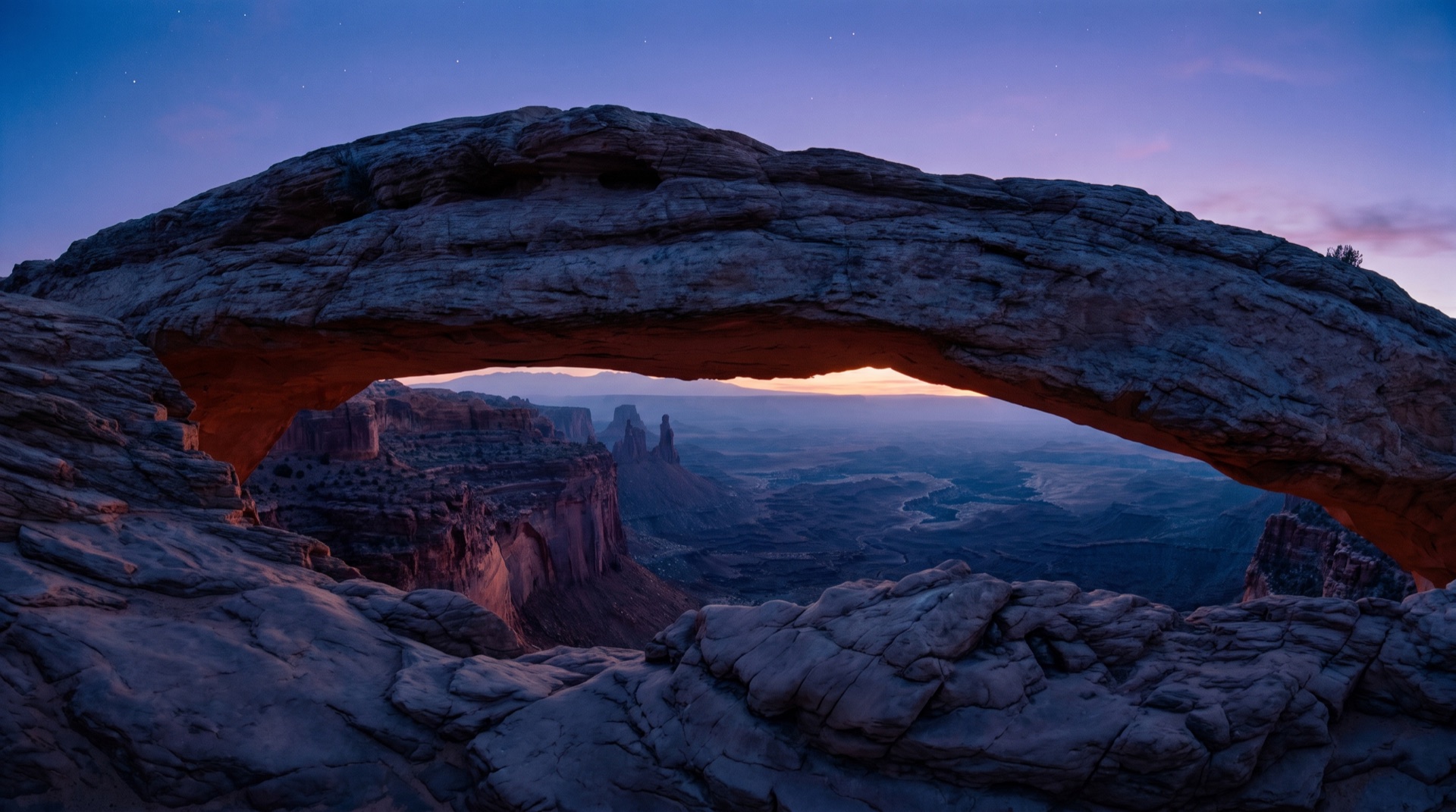
Red rock country
runs hard.
St. George, Cedar City, and the Washington County towns — what’s really flowing from your tap, told straight.
Southern Utah is served by the Virgin River, the Quail Creek and Sand Hollow reservoirs, and deep desert wells. It’s clean, safe, disinfected water — and it runs notably hard and high in minerals, the way desert groundwater tends to. You feel it on your skin and see it on every fixture.
What’s really in Southern Utah’s water.
Where it comes from
The Virgin River, Quail Creek and Sand Hollow reservoirs, and deep wells drawing from desert aquifers across Washington and Iron counties.
Some of Utah’s hardest water
Desert groundwater carries a heavy mineral load. Southern Utah’s water is notably hard — scale on fixtures, spots on glass, and film on skin come with the territory.
Chlorinated for the trip to you
Chlorine is added to keep water safe across long desert distribution lines — safe and effective, but often noticeable in taste and smell.
What that means at home
Hard water in the desert is relentless on fixtures and appliances, dries skin and hair, and sends many homes straight to bottled water.
Project 60 was built for exactly this. Patent-pending plasma-ozone purification removes the chlorine, tames the desert hardness, keeps your minerals, and delivers oxygen-rich living water to every tap — with no salt, no brine, and nothing wasted in a place where water is precious.
Serving St. George · Cedar City · Washington · Hurricane · Santa Clara · Ivins
Southern Utah water, answered.
See what’s in your Southern Utah water.
A free, no-obligation in-home water test — your actual numbers, and what living water would change.
A premium whole-home investment · Flexible monthly financing available